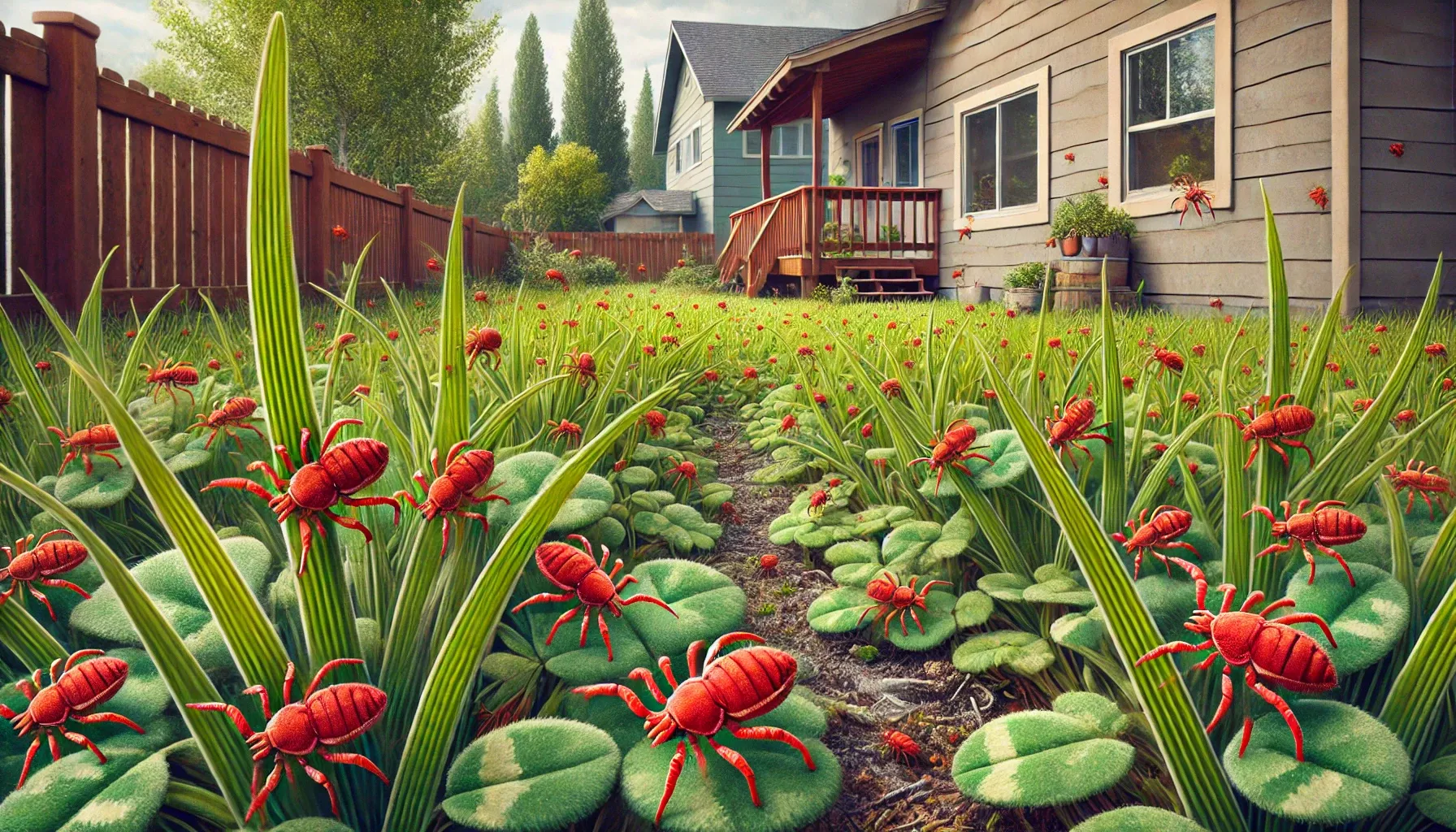
When you notice tiny red insects in your home or garden, there are several species that could be responsible. These little creatures, often referred to as red bugs, can belong to various insect groups, some of which are harmless, while others can become nuisances. Strictly speaking, most of them aren't insects at all: clover mites, chiggers and spider mites are mites, which are related to spiders.
1. Clover Mites
Clover mites (Bryobia praetiosa) are among the most common tiny red insects you may encounter. These tiny arachnids are plant feeders, typically found in lawns or gardens, but they can sometimes enter homes through cracks in windows or doors. Clover mites are harmless to humans but can leave red stains when crushed. They are particularly active during cooler months and thrive in areas with lush vegetation. Managing clover mites involves sealing entry points and keeping vegetation away from the foundation of homes to reduce their numbers indoors (Venables, 1943).
2. Red Flour Beetles
Another possible culprit is the red flour beetle (Tribolium castaneum), commonly found in stored food products. These pests are tiny and red-brown, and they infest flour, grains, and cereals. While they don’t pose a direct threat to human health, their presence in food supplies can lead to contamination. Proper storage in airtight containers and regular inspection of pantries can help prevent infestations.
3. Chiggers
Chiggers, or harvest mites, are another type of tiny red insect often found in grassy or wooded areas. Chiggers are larval mites that bite humans, causing itchy, red welts. While they are small, their bites can be highly irritating. Avoiding chigger-prone areas and using insect repellents can reduce the risk of bites.
4. Red Bugs or Red Spider Mites
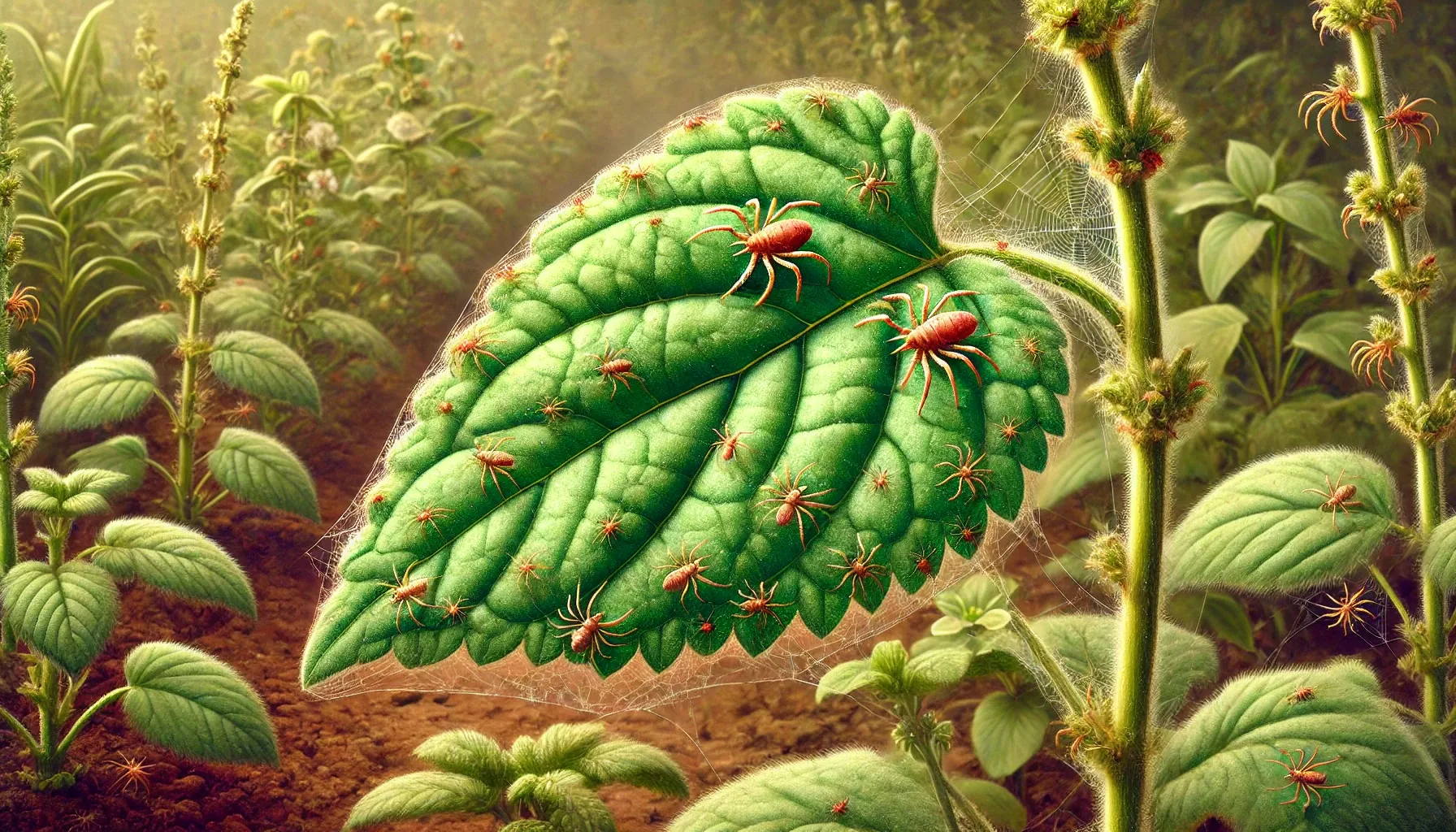
Sometimes referred to as "red bugs," red spider mites can also appear as tiny red insects. These mites feed on plants and are considered agricultural pests. Red spider mites infest a variety of plants, including ornamentals, fruits, and vegetables. Infestations can lead to yellowing leaves and stunted plant growth. Controlling red spider mites naturally involves using insecticidal soap or encouraging predators like lady beetles and predatory mites to manage their populations (UC IPM).
Conclusion
The tiny red insects you see could be a variety of species, including clover mites, red flour beetles, chiggers, or red spider mites. While most are harmless to humans, they can become nuisances depending on their location and behavior. Proper prevention measures, like sealing entry points, storing food properly, and using natural repellents, can help manage these pests effectively. If you still need assistance, a Meridian pest control professional can be of help.
Sources
- Utah State University Extension, Clover Mite, IPM fact sheet.
- UC Statewide IPM Program, Spider Mites, Pest Notes.
Not medical advice. For a bite or sting that worries you, call your doctor or Poison Control at 1-800-222-1222.
Bugs still winning? Bigfoot's got this.
Get your price in 30 seconds. Family and pet-friendly treatments, and if the bugs come back between visits, so do we, free.