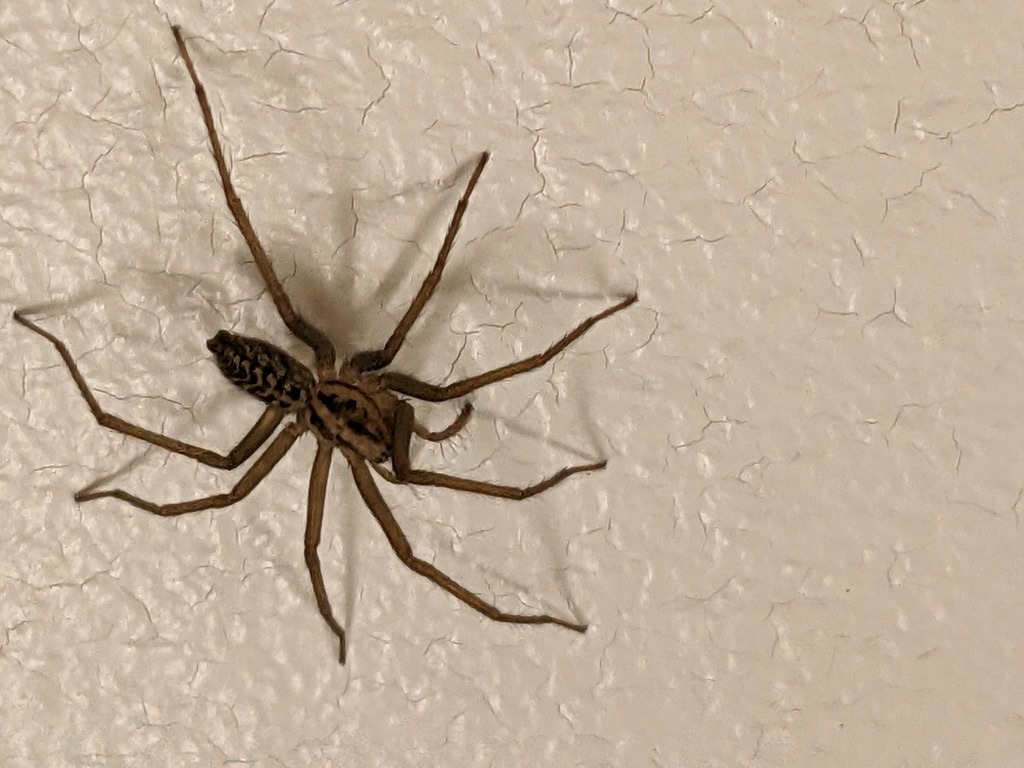
Idaho is home to a variety of wildlife, including several species of spiders. While most spiders are harmless to humans, a few can pose significant health risks due to their venom. Understanding the types of poisonous spiders found in Idaho, their habits, and the potential dangers they present is crucial for both residents and visitors. This article explores the most dangerous spiders in the region, focusing on black widows, hobo spiders, and the occasional brown recluse, and discusses the importance of identification and prevention.
The Black Widow Spider
Perhaps the most notorious spider in Idaho is the black widow (Latrodectus hesperus, the western black widow), a venomous species that is easily recognizable by the distinctive red hourglass marking on the abdomen of the female. Black widow bites are relatively rare but can cause severe symptoms, including intense pain, muscle cramps, and, in some cases, systemic reactions that require medical attention. While fatalities from black widow bites are exceedingly rare, the venom contains a potent neurotoxin (Rahmani et al., 2014).
Black widows are commonly found in dark, sheltered areas such as woodpiles, sheds, and basements. They prefer undisturbed locations, which makes outdoor structures and cluttered areas prime spots for their webs. These spiders are generally not aggressive and will only bite in self-defense, often when accidentally disturbed. The initial bite may feel like a pinprick, but the venom's effects can begin within a few hours, causing muscle rigidity, pain, and sometimes nausea or vomiting.
The Hobo Spider
Another spider of concern in Idaho is the hobo spider (Eratigena agrestis, formerly Tegenaria agrestis), a species that has been mistakenly associated with necrotic wounds similar to those caused by the brown recluse spider. Native to Europe, the hobo spider was introduced to the Pacific Northwest, where it has since established itself as a common household pest. Although its venom was once thought to cause serious skin necrosis (Vest, 1987), recent studies have challenged this view, with evidence suggesting that hobo spider bites are generally less dangerous than previously believed (UC IPM).
Hobo spiders are typically found in basements, crawl spaces, and other dark, damp areas. They build funnel-shaped webs, and like black widows, they are not aggressive and only bite when provoked. Symptoms of a hobo spider bite may include redness, swelling, and mild pain, but these effects are usually short-lived and resolve without medical intervention (McKeown et al., 2014).
The Brown Recluse: A Rare Visitor
Although the brown recluse (Loxosceles reclusa) is not native to Idaho, there have been occasional reports of sightings, likely due to the transportation of goods from areas where these spiders are more common. The brown recluse is infamous for its necrotic bites, which can cause significant tissue damage and, in rare cases, systemic complications. However, these spiders are extremely shy and tend to avoid human contact, making bites rare.
Brown recluse spiders are light brown with a characteristic violin-shaped marking on their backs. Like the other venomous spiders in Idaho, they prefer dark, undisturbed areas such as attics, closets, and under furniture. The venom of a brown recluse contains a potent enzyme that can destroy tissue, leading to ulcer-like wounds that take a long time to heal. Medical treatment is often required for severe cases to prevent infection and promote healing (Harvard Health Publishing, 2024).
Spider Bite Symptoms and Treatments
While most spider bites are harmless and may go unnoticed, bites from black widows, hobo spiders, and brown recluses can cause more serious symptoms. It is important to recognize the signs of a venomous spider bite and seek medical attention if necessary. Common symptoms include:
- Black Widow: Intense pain at the bite site, muscle cramps, nausea, sweating, and abdominal pain. In severe cases, black widow venom can cause difficulty breathing and hypertension.
- Hobo Spider: Mild pain, redness, and swelling at the bite site. In rare cases, more severe symptoms such as headaches or fatigue may occur, but serious complications are uncommon.
- Brown Recluse: Initially painless, a brown recluse bite may develop into a painful ulcer that can take weeks to heal. In some cases, the venom can cause systemic symptoms such as fever, chills, and joint pain.
Treatment for spider bites generally involves cleaning the wound, applying ice to reduce swelling, and taking over-the-counter pain relievers. Black widow bites sometimes call for antivenom. There's no antivenom for brown recluse bites, so serious ones get wound care from a doctor instead (Harvard Health Publishing, 2024). See a doctor if symptoms worsen or spread.
Preventing Spider Bites
The best way to avoid spider bites is to reduce the likelihood of encountering these arachnids. Here are some practical tips for preventing spider infestations in your home and reducing the risk of bites:
- Keep Your Home Clean: Regular cleaning and decluttering can help eliminate potential hiding spots for spiders. Pay particular attention to basements, attics, and garages, where spiders are more likely to build webs.
- Seal Cracks and Gaps: Spiders can enter homes through small cracks and gaps in windows, doors, and walls. Seal these openings to keep spiders out.
- Wear Protective Clothing: When working in areas where spiders may be present, such as woodpiles or sheds, wear gloves and long sleeves to protect yourself from accidental bites.
- Use Pest Control Methods: Professional pest control services in Boise can help manage spider populations, especially in homes that are prone to infestations. Sticky traps and insecticides may also be effective in reducing the number of spiders in your home (UC IPM).
Conclusion
While Idaho is home to several species of poisonous spiders, the risk of a serious bite is relatively low. Black widows, hobo spiders, and brown recluses are the primary concerns, but with proper identification, prevention, and treatment, the dangers they pose can be effectively managed. By keeping your home clean, taking precautions when working in spider-prone areas, and seeking medical attention when necessary, you can minimize the risk of spider bites and keep spiders and bites to a minimum.
Sources
- Rahmani, F. et al. (2014). Poisonous spiders: bites, symptoms, and treatment; an educational review. Emergency 2(2): 54-58.
- Vest, D. K. (1987). Necrotic arachnidism in the Northwest United States and its probable relationship to Tegenaria agrestis (Walckenaer) spiders. Toxicon 25(2): 175-184. ScienceDirect
- McKeown, N., Vetter, R. S. and Hendrickson, R. G. (2014). Verified spider bites in Oregon (USA) with the intent to assess hobo spider venom toxicity. Toxicon 84: 51-55. doi:10.1016/j.toxicon.2014.03.009
- UC Statewide IPM Program, Hobo Spider and Spiders, Pest Notes.
- Harvard Health Publishing (2024). How to treat spider bites and when you need to see your doctor.
Not medical advice. For a bite or sting that worries you, call your doctor or Poison Control at 1-800-222-1222. Using a pest product yourself? Always read and follow the label.
Bugs still winning? Bigfoot's got this.
Get your price in 30 seconds. Family and pet-friendly treatments, and if the bugs come back between visits, so do we, free.