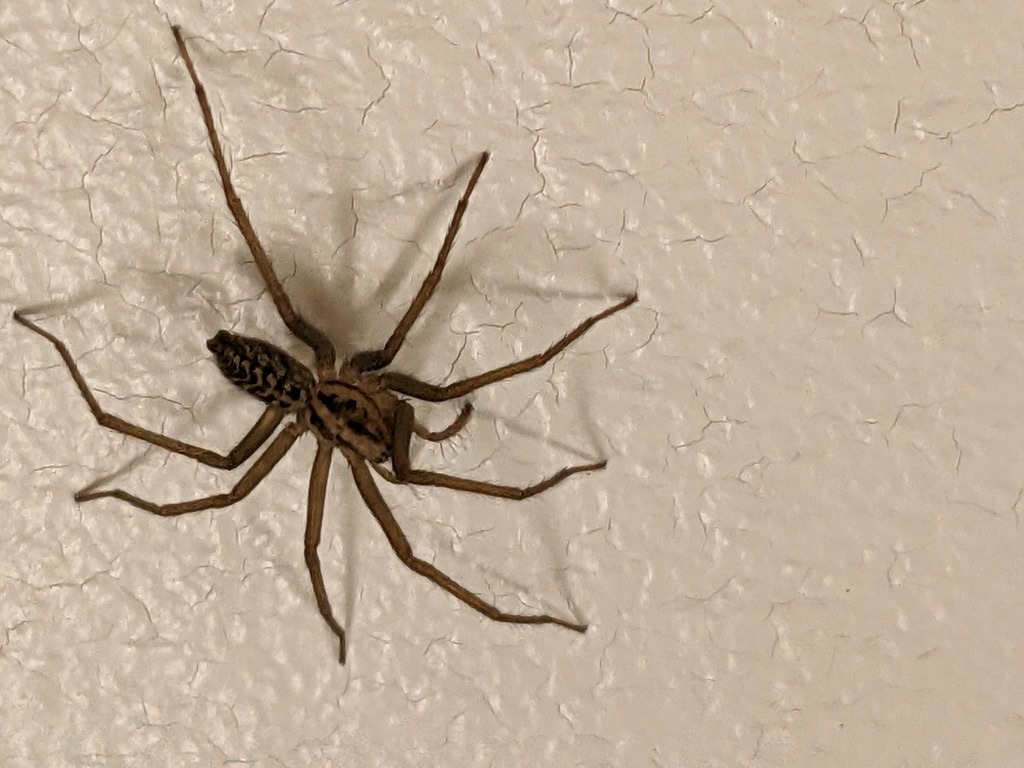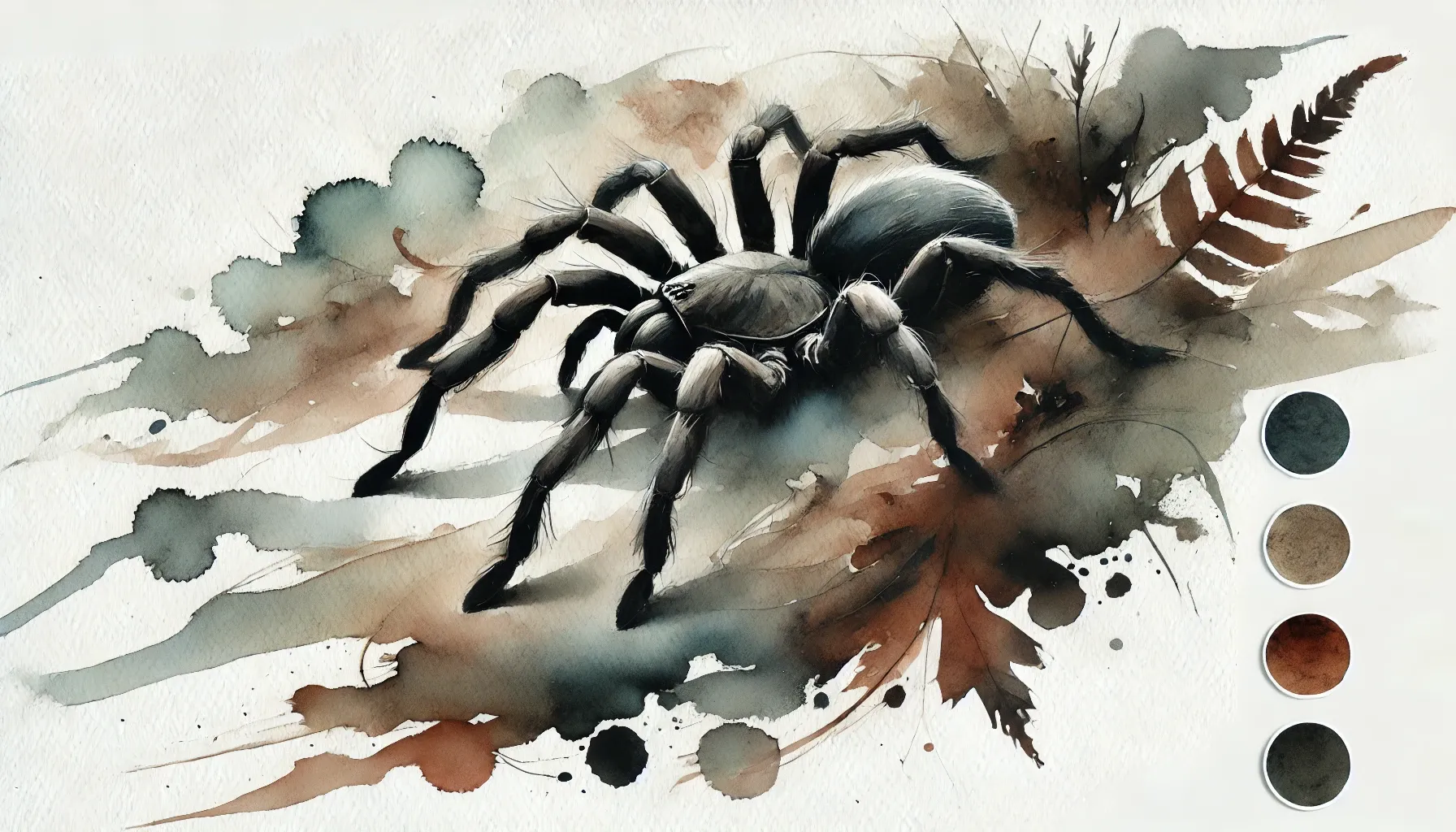
Idaho is home to a variety of spider species, and for homeowners who frequently spot brown spiders in their homes or yards, it can be a challenge to identify whether these arachnids pose any risk. From harmless species that keep the insect population in check to the rare but dangerous brown recluse, knowing which brown spiders are common in Idaho can provide peace of mind or indicate when professional pest control is necessary. Here are the brown spiders you're most likely to encounter in Idaho:
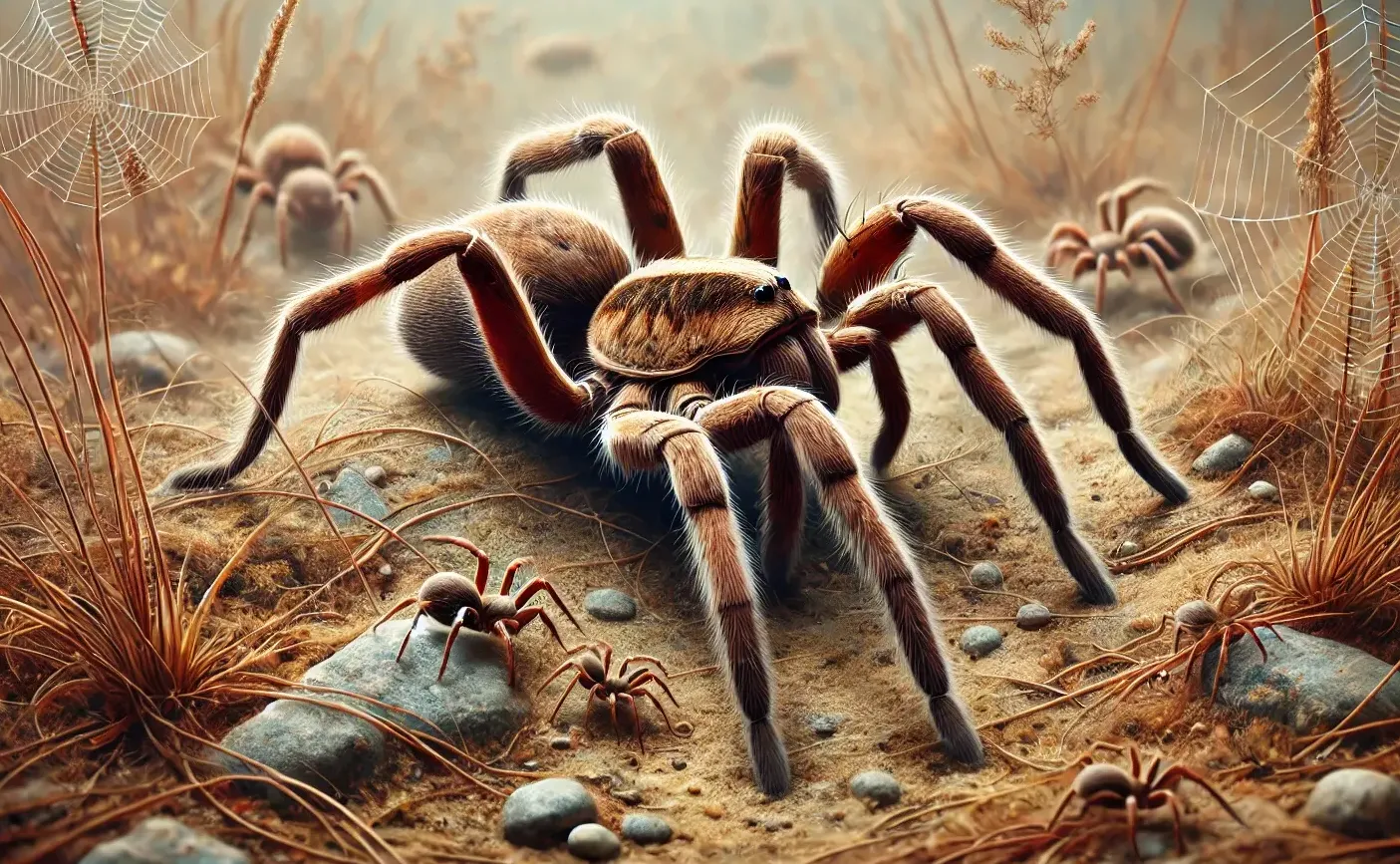
1. Hobo Spider (Eratigena agrestis, formerly Tegenaria agrestis)
The hobo spider is one of the most common brown spiders in Idaho. It has been mistakenly associated with necrotic bites, similar to the infamous brown recluse. However, recent studies suggest that hobo spiders are not as dangerous as once believed. They are large, brown, and often found in basements, crawl spaces, and other secluded areas of homes. While they can bite if provoked, the bites typically cause only mild irritation and discomfort (McKeown et al., 2014).
2. Wolf Spider (Lycosidae)
Wolf spiders are large, robust, and fast-moving spiders commonly found in Idaho. Although their size can make them intimidating, wolf spiders are not dangerous to humans. They are hunters, meaning they do not build webs but instead chase their prey. Wolf spiders are typically brown with stripe-like patterns on their bodies. They are frequently found outdoors but may wander into homes searching for food. Wolf spider bites are rare and usually only occur if the spider feels threatened, causing mild pain and swelling.
3. Common House Spider (Parasteatoda tepidariorum)
This spider is often spotted in Idaho homes, where it builds messy cobwebs in corners and near windows. The common house spider is small and brown with a round abdomen. Despite their frequent presence in homes, these spiders pose no threat to humans and are more of a nuisance due to their webs. Their venom isn't harmful to people, and they play a role in controlling insect populations indoors.
4. Brown Recluse (Loxosceles reclusa)
While the brown recluse spider is often feared for its necrotic bite, it is extremely rare in Idaho. Most reports of "brown recluse bites" in the region are misdiagnosed, as the spider is not native to the state. In areas where brown recluse populations are present, such as the Midwest and Southern United States, bites can lead to serious skin lesions and systemic symptoms known as loxoscelism. However, in Idaho, the likelihood of encountering a brown recluse is minimal (Vetter, 2005).
5. Ground Spiders (Gnaphosidae)
Ground spiders are another type of brown spider commonly found in Idaho. These spiders are typically small and dark brown to black, with elongated bodies and legs. As their name suggests, ground spiders do not build webs but instead hunt for their prey on the ground. Their venom isn't harmful to people, and they often go unnoticed as they hide in leaf litter, rocks, and outdoor crevices.
6. Orb-Weaver Spiders (Araneidae)
While not strictly brown, many orb-weaving spiders have brownish or tan colorations. These spiders are known for their large, intricate webs, which they spin in gardens, trees, and outdoor spaces. Orb-weavers are typically shy and non-aggressive, with their bites causing minimal effects. Their webs are designed to catch flying insects, making them a beneficial species for pest control.
Conclusion
Brown spiders are a common sight in Idaho homes and yards, but most species are harmless and even beneficial to have around. From the hobo and wolf spiders to the tiny house spider, these arachnids help control insect populations. While the feared brown recluse spider is unlikely to be found in Idaho, knowing the differences between species can help homeowners decide when to act on an infestation or let these spiders continue their pest control work naturally.
Sources
- McKeown, N., Vetter, R. S. and Hendrickson, R. G. (2014). Verified spider bites in Oregon (USA) with the intent to assess hobo spider venom toxicity. Toxicon 84: 51-55. doi:10.1016/j.toxicon.2014.03.009
- Vetter, R. S. (2005). Arachnids submitted as suspected brown recluse spiders. Journal of Medical Entomology 42(4): 512-521.
Not medical advice. For a bite or sting that worries you, call your doctor or Poison Control at 1-800-222-1222.
Bugs still winning? Bigfoot's got this.
Get your price in 30 seconds. Family and pet-friendly treatments, and if the bugs come back between visits, so do we, free.