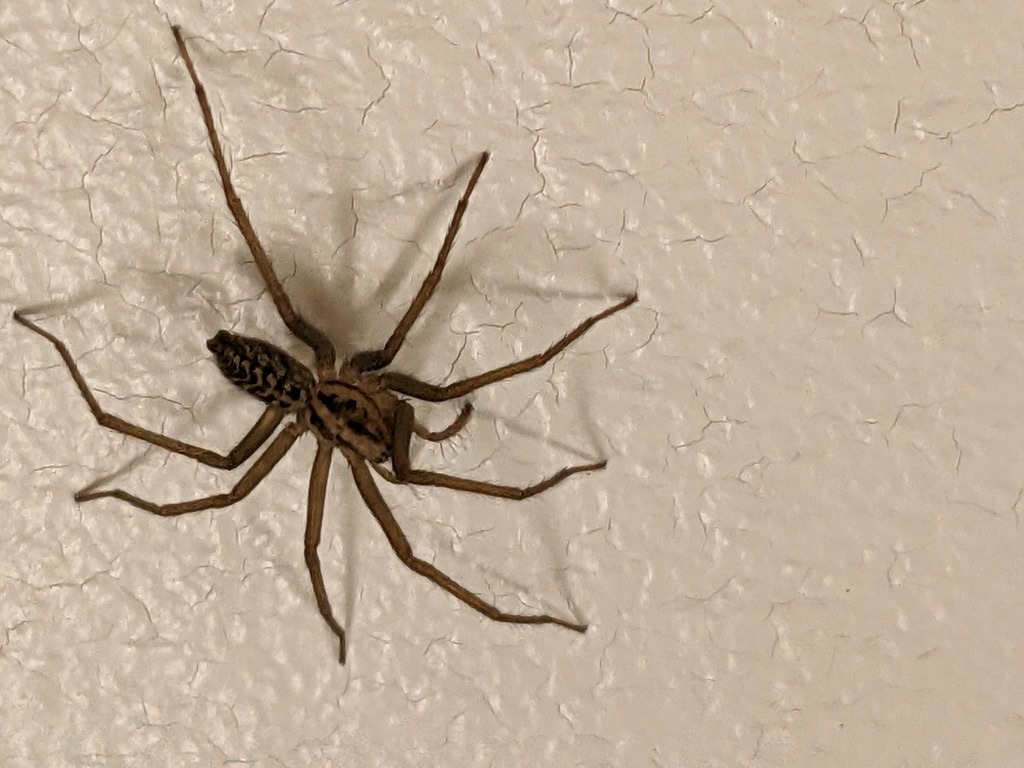
Jumping spiders (Salticidae) are widely recognized as active hunters that rely on their superior vision and agility to capture live prey. However, while they typically prefer to hunt living insects, there is evidence that they can scavenge on dead prey under certain conditions.
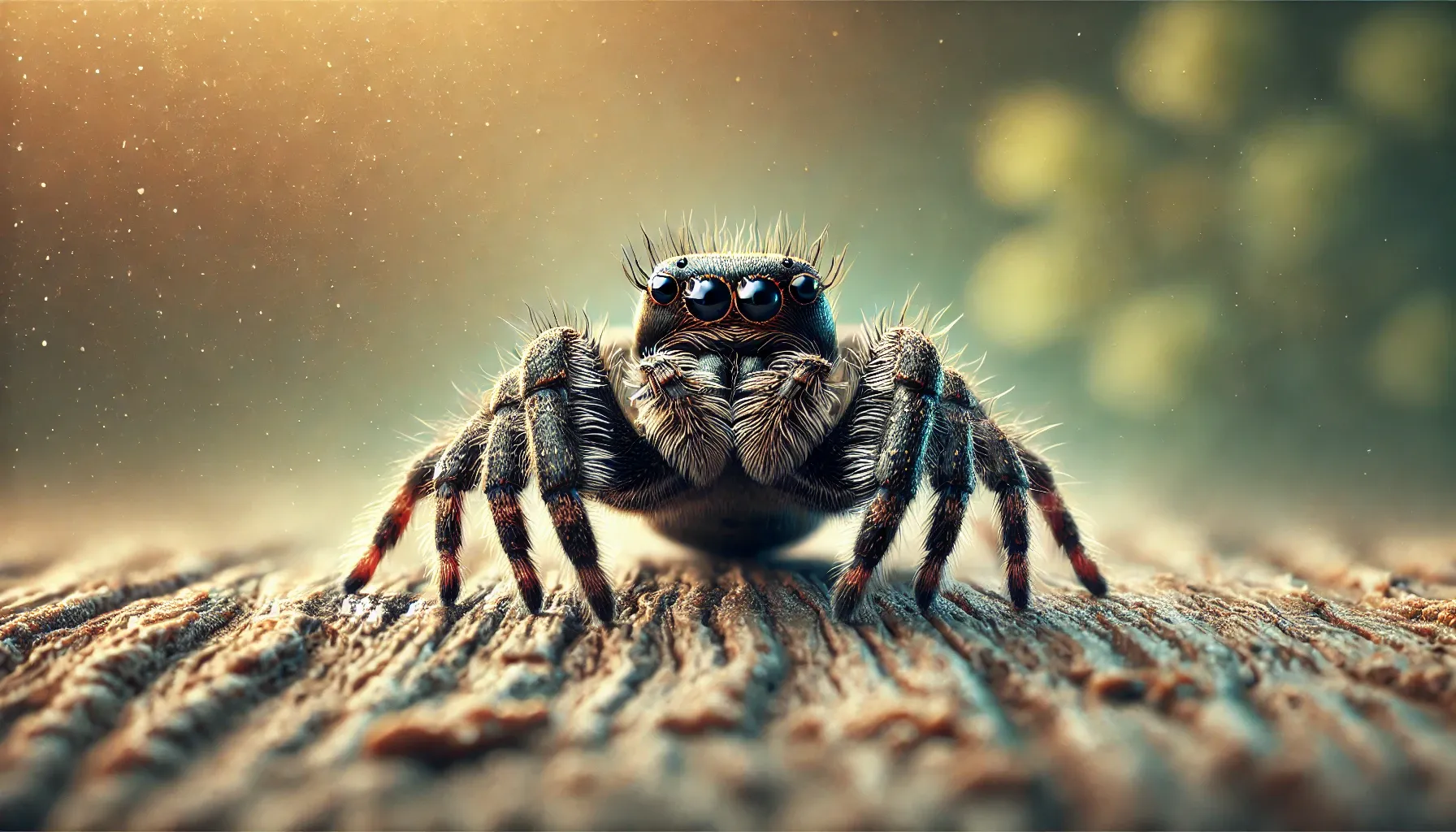
A study examining the behavior of jumping spiders such as Phidippus audax found that these spiders could survive on dead prey throughout their life cycle, though this resulted in lower survival rates and longer developmental stages compared to spiders feeding on live insects. The study suggests that while scavenging is possible, it is less ideal for these spiders, and they exhibit a preference for live, moving prey due to their evolved hunting behavior and reliance on visual cues (Vickers et al., 2014).
Another study demonstrated that certain jumping spiders, such as Salticus scenicus, have been observed feeding on dead houseflies. This indicates that scavenging is not entirely out of the question, but jumping spiders are more likely to feed on dead prey when they are particularly hungry or under stressful conditions (Wolff, 1986).
Overall, while jumping spiders are highly adapted to hunting live prey and depend on visual or tactile stimuli to elicit their predatory behavior, they are capable of scavenging dead insects when necessary, though it is not their preferred method of feeding.
Sources
- Vickers, M. E., Robertson, M., Watson, C. and Wilcoxen, T. (2014). Scavenging throughout the life cycle of the jumping spider, Phidippus audax (Hentz). Journal of Arachnology 42(3): 277-283.
- Wolff, R. J. (1986). Scavenging by jumping spiders (Araneae: Salticidae). The Great Lakes Entomologist 19(2).
Bugs still winning? Bigfoot's got this.
Get your price in 30 seconds. Family and pet-friendly treatments, and if the bugs come back between visits, so do we, free.